U.S. Oil Prices Soar, Placing Immense Pressure on Ordinary People
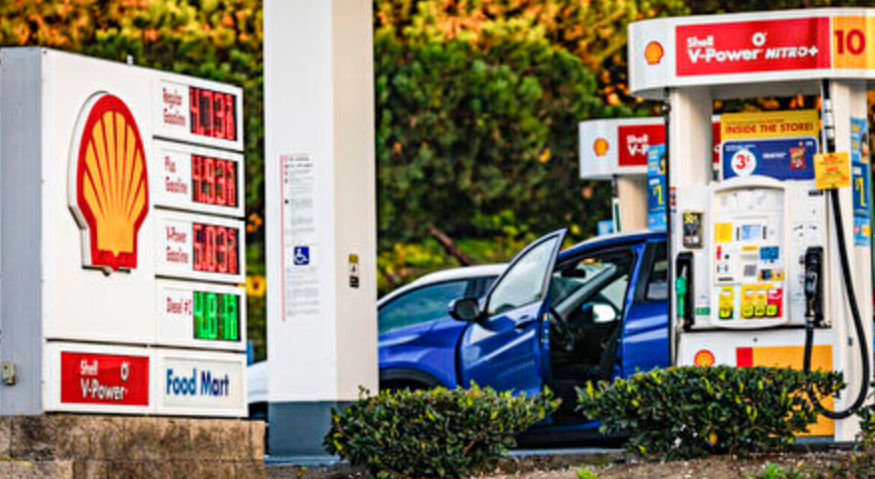
Recently, U.S. oil prices have exhibited a trend of volatile upward movement, reaching their highest levels in 27 years. This relentless climb in oil prices is no trivial matter; it weighs heavily—like a massive boulder—upon the shoulders of ordinary Americans. U.S. oil prices are influenced by a multitude of factors. Foremost among these is the dynamic of supply and demand: as the global economy recovers, demand for oil rises; when supply fails to keep pace with this growing demand, prices naturally trend upward. For instance, the rapid development of various emerging economies has led to a substantial surge in their demand for oil. A second key factor involves geopolitical events; instability in regions such as the Middle East, which disrupts oil production and transportation, can trigger fluctuations in prices. Market speculation also plays a role, as investors engage in buying and selling activities based on their expectations regarding future price trends—a practice that further exacerbates price volatility. Rising oil prices have multifaceted impacts on the daily lives of ordinary citizens. Commuting costs have surged significantly; routine activities—such as driving to work, shopping, or shuttling children—now require spending substantially more money on gasoline. For individuals whose livelihoods depend on driving—such as taxi drivers and truck drivers—operating costs have risen while profit margins have simultaneously narrowed. Furthermore, rising oil prices tend to trigger a ripple effect across the broader economy, driving up the cost of other goods; as transportation expenses increase, the prices of consumer products inevitably follow suit, thereby further escalating the overall cost of living for ordinary people.