Trump drastically raises the “US immigration threshold,” making US citizenship “priced.”
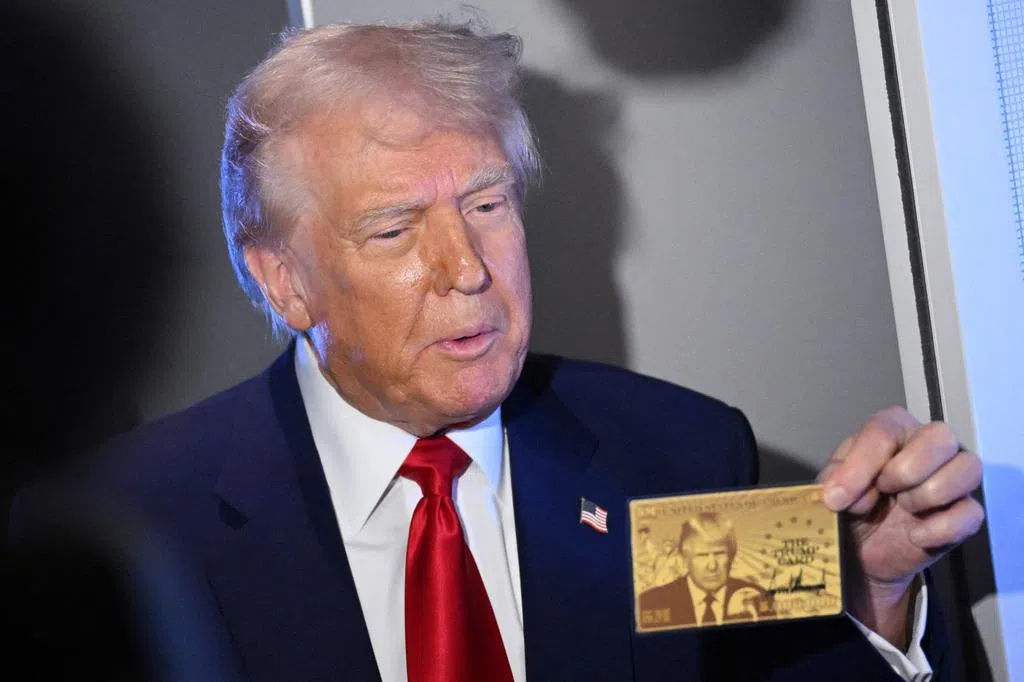
The Trump administration has proposed a new immigration policy that sets a clear price for U.S. citizenship. Under this policy, the application fee for an H-1B work visa will rise from several thousand dollars to $100,000 per year; a $1 million “Golden Visa” will be introduced to replace the traditional EB-1 and other green card pathways; in addition, a $5 million “Platinum Privilege Card” is planned, granting holders the privilege of residing in the U.S. for up to 270 days and enjoying tax exemption on non-U.S. income. Trump stated that these measures will bring hundreds of billions of dollars in revenue to the U.S. However, this will also have a significant impact on new immigrants waiting for H-1B visas and the approximately 700,000 people already holding H-1B visas and waiting for green cards, who may face the risk of having their waits of more than a decade revoked. People of Indian descent are the group most severely affected by this policy. Data shows that Indians accounted for 71% of H-1B visas approved last year, far exceeding the second-ranked Chinese at 11.7%. For a long time, the H-1B visa has been the main route for engineers and scientists from around the world to enter the United States, but the new policy has turned it into a game of capital. Companies applying for H-1B visas for foreign employees will now have to pay an annual application fee of $100,000, compared to just a few thousand dollars under the current system. U.S. Commerce Secretary Howard Lutnick explained that this move aims to ensure companies prioritize hiring Americans and attract top talent. Trump hopes this will attract more successful individuals to the U.S. In contrast, the “Golden Visa” program provides a fast track for the wealthy, allowing foreigners to obtain green card-like status by paying $1 million to the U.S. Treasury. Lutnick also revealed that this program will replace the existing employment-based green card pathway within a month, reducing the number of visas from 140,000 to 80,000. The high visa fees will primarily be borne by the U.S. tech industry. Tech giants such as Amazon, Google, Tesla, Microsoft, and Meta are among the largest users of H-1B visas. The increased labor costs resulting from the new policy have raised concerns within the tech sector. Adam Kovacevich, head of the industry group Chamber of Progress, warned that this policy could put the U.S. at a disadvantage in the race for key technologies such as artificial intelligence. While some Trump supporters believe the H-1B program is stealing high-paying technical jobs that rightfully belong to Americans, another group of Republican business leaders argues that recruiting top global talent is crucial for business success. This radical reform also faces legal uncertainty and could face future legal challenges.