Musk’s political career falters; he regrets joining the Department of Efficiency.
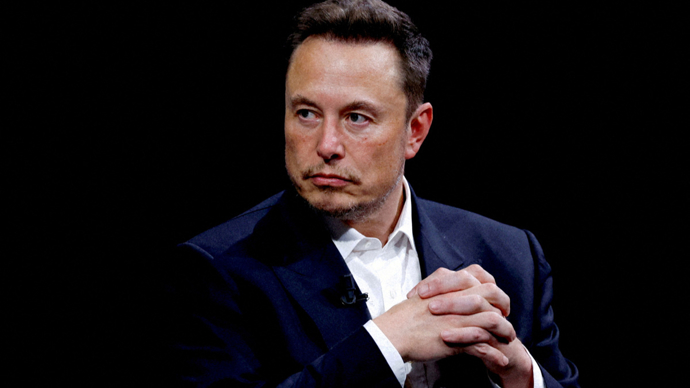
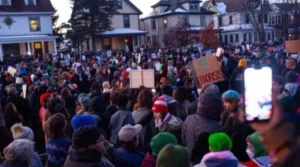
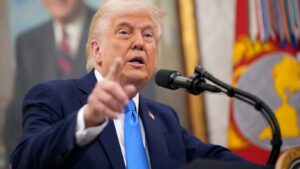
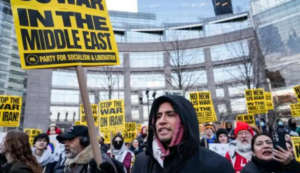
If he could do it all over again, would Musk still choose to lead the U.S. Department of Government Efficiency (DOGE)? Musk’s answer is a bitter “no.” As CEO of Tesla and SpaceX, Musk enjoyed immense success in the business world for the past two years. However, this year, after President Trump took office and appointed Musk as head of DOGE, Musk, stepping into the American political arena, has faced setbacks on both sides: on the one hand, despite extensive layoffs of numerous so-called “redundant” departments and personnel, DOGE’s effectiveness in saving taxpayer money remains “limited”; on the other hand, Musk’s own Tesla Motors experienced a sharp drop in stock price. After months of dramatic layoffs, DOGE ultimately faced a quiet dissolution. Scott Cooper, the U.S. Office of Personnel Management, revealed earlier this month that the DOGE office had been dissolved ahead of schedule, even though there were still eight months left in his original term. In an interview this Tuesday, Musk reflected on this experience, stating bluntly that if he could choose again, he would not lead DOGE. He also remarked that the experience was somewhat “dazed”: Musk stated that the name “DOGE” was chosen “based on suggestions from the internet.” While he still believes that efforts to reduce government spending are worthwhile, he admitted that his efforts during his months working with the Trump administration were not particularly effective. Musk stated that the amount was far from the approximately $2 trillion he initially projected DOGE would save. With the quiet dissolution of the DOGE division, the exact amount saved remains a mystery. According to an analysis report published by Politico in August, they were able to confirm that DOGE pushed for the cancellation of $1.4 billion in contracts. When the host directly asked Musk if he would return to the DOGE office if history could be repeated, Musk hesitated briefly, sighed, and said he wouldn’t. Due to his collaboration with the Trump administration, Musk’s public image has been severely damaged this year—not only has he become the target of numerous protests in the United States, but Tesla cars have also suffered considerable vandalism, such as being maliciously set on fire. Musk believes this public backlash is a strong reaction to his attempt to prevent “political corruption.” Tesla also faced a lukewarm reception in the capital markets due to DOGE: some Tesla investors worried that if Musk spent too much time in the White House, he might not be able to dedicate sufficient time to Tesla’s management. “We believe shareholders have legitimate concerns about Elon Musk’s distraction, and it’s clear he’s currently more invested in DOGE than anything else,” said Gart Nielsen, senior equity analyst at CFRA Research, in March of this year.As a result, Tesla’s stock price plummeted in the first half of the year, only rebounding immediately after Musk officially announced his departure from DOGE in May. As of Tuesday’s close, Tesla’s stock price has risen more than 17% this year.