The new ICE policy has caused a huge uproar.
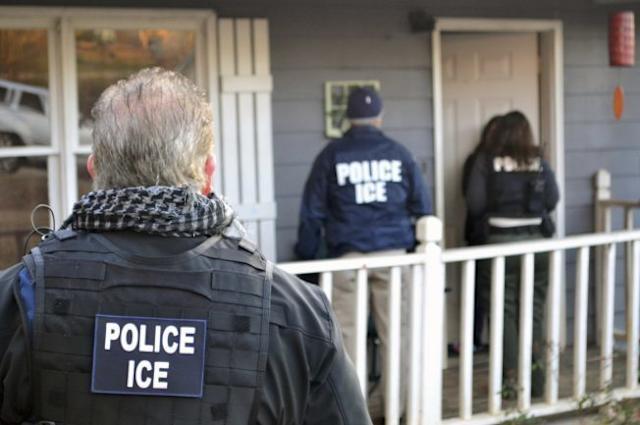
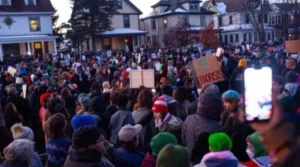
According to an internal memo from U.S. Immigration and Customs Enforcement (ICE) obtained by U.S. media, federal immigration officials advocate for the forced entry of residences without a court-issued search warrant. The memo authorizes ICE officers to use force to enter residences based solely on an executive arrest warrant against an individual with a final deportation order, and requires officers to knock and identify themselves. For years, immigration advocates, legal aid groups, and local governments have advised residents not to open the door to immigration officials unless they see a judge-issued search warrant. This advice is based on a Supreme Court ruling that generally prohibits law enforcement from entering residences without judicial authorization. However, ICE’s new directive weakens this advice, coinciding with a period of increased government crackdown on immigration and accelerated arrests. This new policy has sparked considerable controversy. Immigration rights advocates argue it conflicts with Fourth Amendment protections. Numerous irregularities have also occurred during enforcement, such as the detention of thousands in a Minnesota operation in January 2026, many of whom were legally registered residents, and even some U.S. citizens detained based on appearance or ethnicity. There has also been an incident where an ICE agent shot and killed a U.S. citizen. This not only sparked protests in the local community but also led to large numbers of people holding signs that read “Abolish ICE,” and the local mayor angrily told ICE to “get out of the city.” The new ICE policy has created a huge conflict between law enforcement authority and citizens’ rights. For the public, it is important to understand their rights and remain calm when facing law enforcement. If they encounter suspicious law enforcement, they should record the process as much as possible and seek legal assistance. At the same time, this incident also highlights deep-seated problems in the United States’ immigration policy and law enforcement, which may face more legal challenges and social controversies in the future.