Trump’s approval rating falls to a new low for his term.
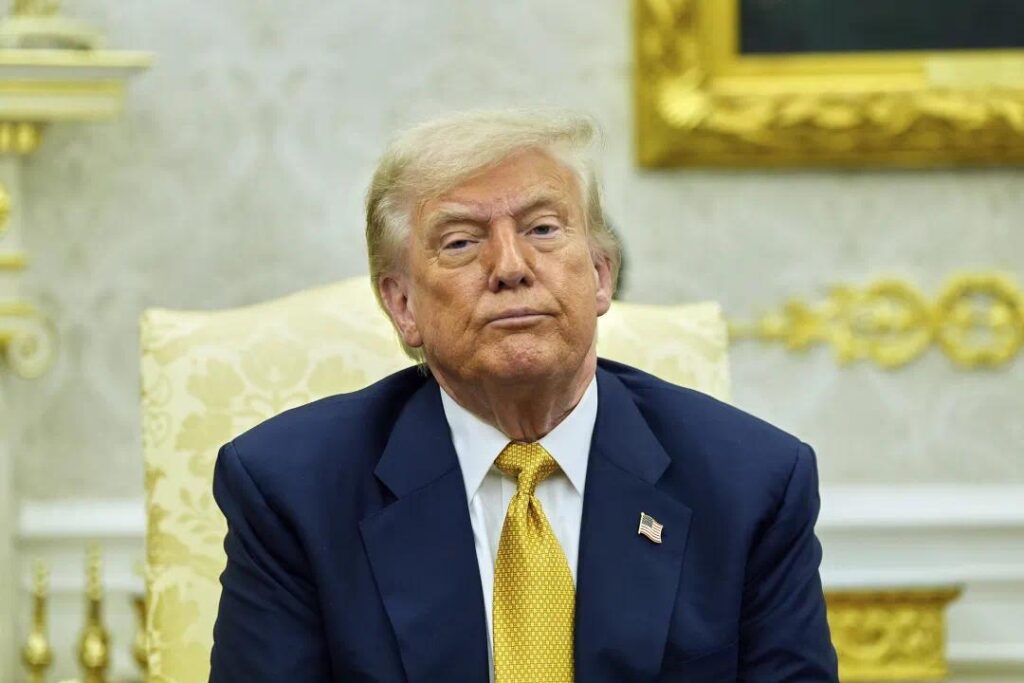
Since February, Trump’s approval rating has been steadily declining. By July 29, polls showed his approval rating had fallen to 40%, a new low during his second term. A recent November survey showed that support for him among the American middle class with annual incomes between $50,000 and $100,000 dropped from 44% to below 40% in three months, while disapproval approached 60%. Public dissatisfaction with the current state of the US economy and the high cost of living is a major reason. The US unemployment rate rose to 4.3% in August, a near four-year high. Non-farm payrolls increased by only 22,000 in August, a significant decrease from July and far below market expectations. Meanwhile, inflation in the US accelerated in August. High borrowing costs, dwindling job opportunities, and increasing economic and political uncertainty have created a sense of economic stagnation for many American families. In foreign policy, Americans are not convinced of his diplomatic capabilities. He claimed to have ended six wars in six months and was vying for the Nobel Peace Prize, but the actual results have been disappointing. The American public is also concerned about his handling of immigration policy. While specific details about immigration policy were not elaborated, poll results suggest this is a factor contributing to his declining approval rating. Trump’s declining approval rating reflects societal divisions regarding the current policy direction, particularly on core issues such as economic recovery and immigration management, where a significant gap exists between public expectations and the government’s performance. This across-the-board decline in approval ratings also introduces uncertainty into his political future.