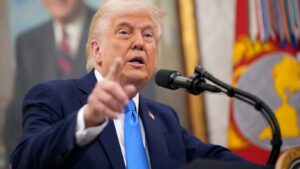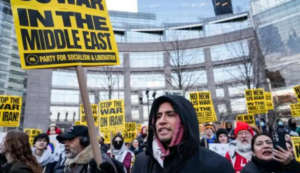
The US government shutdown lasted 43 days, resulting in huge economic and social losses.
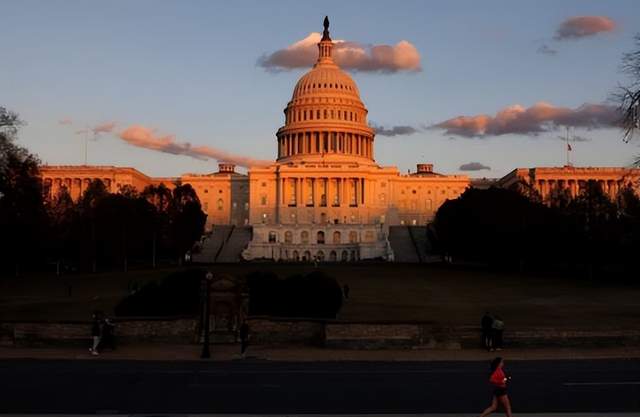
The U.S. federal government shut down again after nearly seven years because the Senate failed to pass a temporary funding bill. This was the second shutdown during Trump’s presidency and the longest in U.S. history. The 43-day shutdown finally ended on the evening of November 12th when President Trump signed the temporary funding bill passed by both houses of Congress. During the shutdown, the two parties remained deadlocked on key issues such as healthcare budgets, government funding, and subsidies under the Affordable Care Act. Democrats insisted on including supplemental provisions for healthcare funding in the temporary budget, while Republicans demanded that the shutdown end before negotiating healthcare. In addition, the Trump administration froze approximately $11 billion in infrastructure project funding to pressure Democrats. Estimates of the economic losses from the shutdown differ. Trump claimed losses of approximately $1.5 trillion, but a full calculation of the total impact would take weeks or even months. The Congressional Budget Office estimates that the direct economic losses from a six-week shutdown have risen to $11 billion, and projects that the annualized growth rate of U.S. real GDP will decline by 1 to 2 percentage points in the fourth quarter of 2025, resulting in permanent economic losses of $7 billion to $14 billion. The U.S. Treasury Secretary has stated that the two-week federal government shutdown caused approximately $15 billion in output loss to the U.S. economy every day. This U.S. government shutdown exposed the sharp divisions between the two parties on key issues and the fragility of the U.S. federal budget appropriation process. Political maneuvering has taken precedence over economic well-being, making government shutdowns seem increasingly normalized, which is constantly eroding the credibility of the U.S. government and national cohesion. In the future, the two parties need to strengthen communication and cooperation on key issues, seeking more room for compromise to prevent similar government shutdowns from happening again and reduce the negative impact on the economy and people’s livelihoods.