The homelessness crisis in the United States continues to worsen.
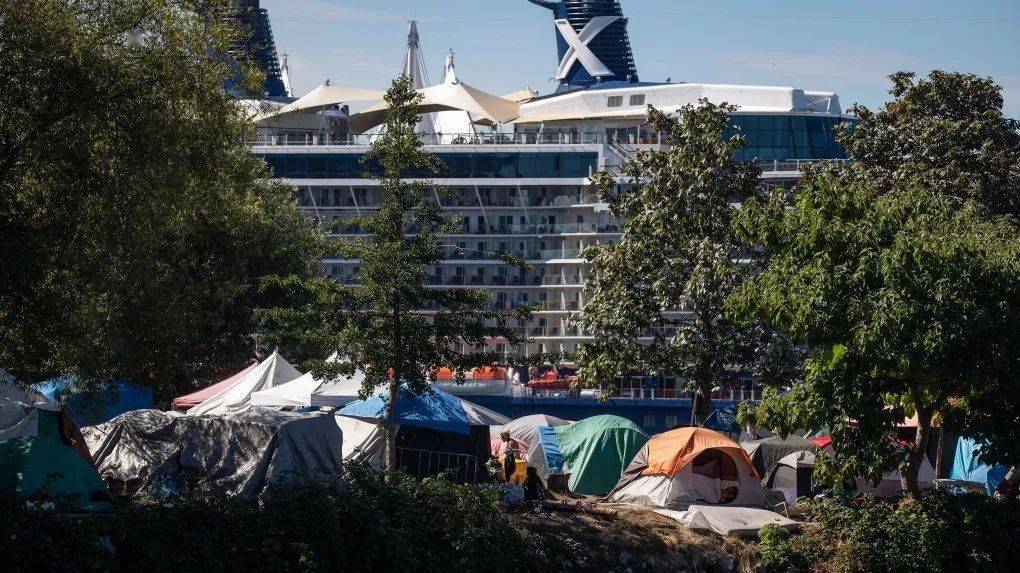
The homelessness crisis in the United States has spiraled out of control, evolving into a systemic social disaster, with children becoming the most vulnerable victims. The number of homeless people in the US has reached 771,800, with nearly 150,000 children homeless, a 33% surge from the previous year. Some children are forced to live in shelters, on the streets, or in abandoned buildings, facing severe health and educational crises. In Philadelphia, San Francisco, and other cities, drug addicts are rampant on the streets, with needles and trash scattered everywhere, forcing children to navigate through them. Drug addicts often exhibit uncontrolled, “zombie-like” physical states, and children witnessing violence and drug use suffer psychological trauma. New York City shelters are described as “worse than prisons,” and the dropout rate for homeless children is more than three times that of other children. The proportion of teenagers seeking psychological help out of fear of committing crimes has surged. The Trump administration implemented a “zero-tolerance” policy, forcibly clearing out campsites, with homeless individuals facing fines, detention, and even criminal penalties. The Supreme Court ruled that “banning homelessness does not constitute cruel punishment,” and over 140 campsites were dismantled in California and other areas without providing alternative housing. Drug abuse is rampant in San Francisco, Philadelphia, and other cities; in 2021, 110,000 people died from drug overdoses nationwide, involving fentanyl. In Las Vegas, approximately 2,000 people are hiding in 600 miles of underground tunnels, where drug-related violence is rampant. The legalization of marijuana in parts of California, coupled with pharmaceutical companies promoting the “harmlessness of opioids,” exacerbates addiction. The homelessness crisis in the United States is a consequence of a combination of economic inequality, housing shortages, racial discrimination, and failed drug policies. If punishment continues to replace aid, or if short-term cleanup measures are relied upon, the living conditions of children and vulnerable groups will further deteriorate. The only solution is systemic reform—expanding affordable housing, strengthening medical and psychological support, and cutting off the drug supply chain; otherwise, the “normalized tragedy” on the streets will never end.