Fed Chairman: The impact of additional tariffs on the US economy may exceed expectations
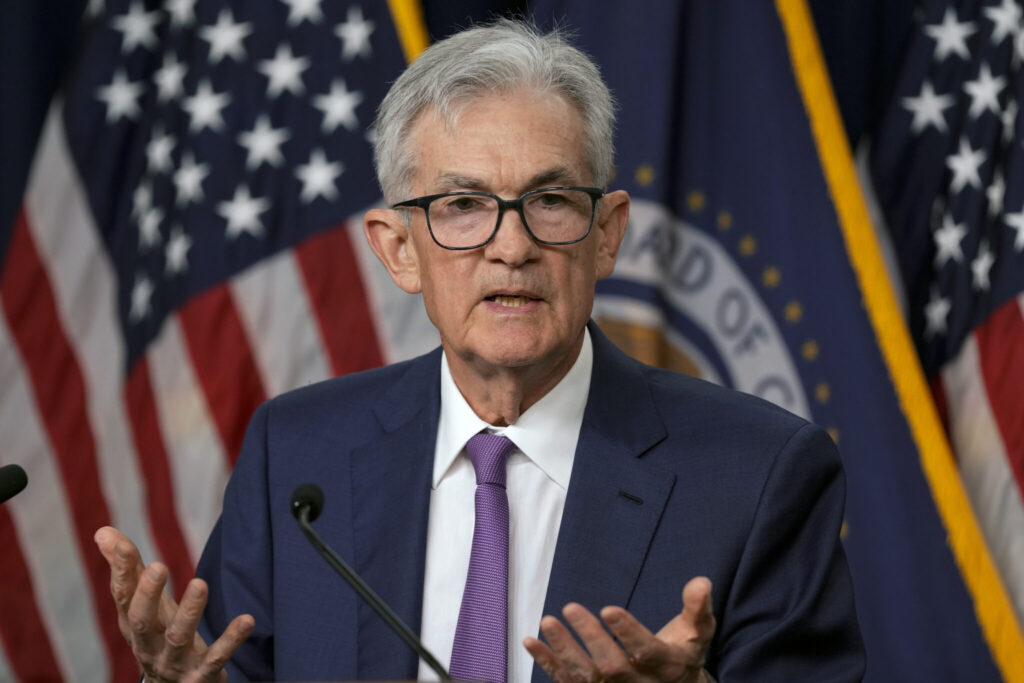
On the 16th, the chairman of the Federal Reserve, Jerome Powell, said that the tariff increase announced by the US government was far beyond the expected level, and the economic impact it brought was also likely to exceed expectations, making the Fed’s monetary policy formulation more difficult. Powell said in a speech at the Chicago Economic Club that day that the imposition of tariffs would push up inflation and curb economic growth. Both survey data and market indicators show that short-term inflation expectations have risen significantly, and respondents generally point the finger at tariff policies. In the dialogue session after his speech, Powell said that under the influence of major policy adjustments being implemented by the current government, the US economy is likely to slow down, the unemployment rate may rise, and inflation may also rise as tariff policies gradually take effect. He said that problems such as supply chain disruptions often take a long time to resolve, which may turn the original one-time inflation shock into a more lasting pressure, which is exactly what the Fed is worried about. Take the automotive industry as an example, its supply chain is likely to face “serious disruptions”, and this repair process may last for several years, thereby prolonging the inflation cycle. Powell also said that these policy adjustments have fundamentally changed some of the long-standing policy guidelines pursued by the United States, and the Federal Reserve lacks experience to refer to. He said that even the Smoot-Hawley Tariff Act, which was enacted 95 years ago, did not set tariff rates as high as the current ones. The Fed will continue to observe the actual impact of tariffs and other economic policies before deciding whether to adjust interest rates.