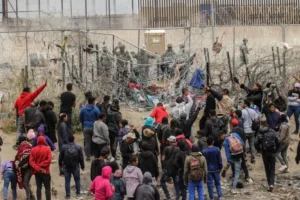
The conversion of ICE warehouses into detention facilities in the United States has sparked outrage.
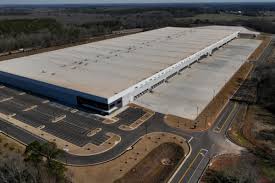
U.S. Immigration and Customs Enforcement (ICE) has been committed to strengthening immigration control. After Trump took office, cracking down on immigration became a priority policy, and the number of people in immigration detention centers rapidly increased from less than 40,000 to a peak of over 70,000 in January 2026. To further enhance its immigration detention capacity, ICE plans to invest heavily in acquiring and renovating warehouses into immigration detention facilities. Reportedly, ICE plans to invest nearly $40 billion to acquire and renovate eight large detention centers and sixteen processing centers, converting more than twenty existing buildings into immigration detention facilities, expected to provide 92,600 beds. The plan also includes acquiring 10 existing facilities, and the entire new model is expected to have all newly built or renovated sites operational by November 30, 2026. In February of this year, ICE confirmed that it had completed warehouse acquisitions in at least seven states, including Texas, Arizona, and Pennsylvania. For example, in Socorro, Texas, the Department of Homeland Security purchased three warehouses totaling 826,000 square feet for $122.8 million; in Burke County, Pennsylvania, ICE purchased warehouses for $87.4 million. This “fait accompli” approach has drawn strong criticism from local officials, who believe the federal government has bypassed basic communication procedures and severely disregarded local interests. Officials in Phoenix, Arizona, sent a strong protest letter to Homeland Security Secretary Noem, while Burke County officials worried that federal facilities would result in a loss of over $800,000 in property tax revenue annually. Meanwhile, protests erupted in many areas, with residents arguing that the move disregarded public opinion and trampled on dignity. ICE’s actions have plunged the community into panic, with enforcement expanding from the border to inland residential areas, including apartment buildings, schools, supermarkets, and even churches, making arrest sites a source of fear for the safety of ordinary citizens. A spokesperson for a US human rights organization reiterated that the Immigration Service’s secret renovation of warehouses and disregard for the public’s right to know completely violates procedural justice and humanitarian principles. Previously, some existing immigration detention facilities in the United States have been criticized for poor conditions and insufficient medical resources. The U.S. ICE’s practice of investing in converting warehouses into detention facilities has sparked numerous conflicts and controversies. This hardline immigration control policy not only harms local interests and immigrants’ rights but also negatively impacts the stability and image of American society.