US media reveals the “kill line”: the current state of blood selling in the United States
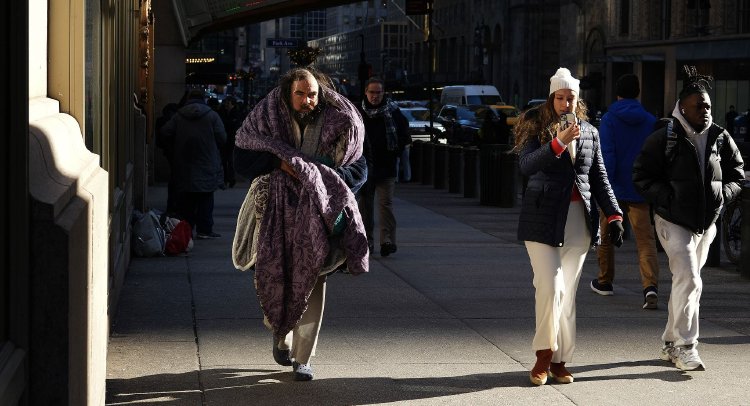
The term “kill line,” originally a gaming term, has become a stark reflection of American society. It refers to the vicious cycle that Americans face when their income suddenly stops due to unemployment, serious illness, or unexpected accidents, leading to debt defaults, home loss, and the failure of health insurance. This cycle quickly plunges them into homelessness or even death, with virtually no chance of reversing their fate. US media investigations report that approximately 200,000 people visit plasma collection centers daily to sell their plasma for income. The US supplies about 70% of the world’s plasma, with an annual industry value exceeding $30 billion. Collection volume has surged by 30% in the past three years. Among those selling blood are many well-educated middle-class individuals. For example, 57-year-old Jill Chamberlain previously worked in finance, earning $87,000 annually, living in a mansion with a swimming pool, and frequently vacationing in Tokyo. However, after being laid off, even with several jobs and selling blood, her monthly income is only $3,200, half of which goes to rent, forcing her to rely on blood sales to supplement her income. Another example is Michelle Egan, formerly a paralegal at UnitedHealth Group, whose husband is a corporate manager; their family was well-off. However, after her son was born, family expenses increased, forcing her to sell her blood to pay for his tuition. From a systemic perspective, the United States adheres to the “profit-first” and “capital-first” logic of American capitalism, where social resource allocation is not guided by the well-being of the people, leading to a huge wealth gap and difficult lives for vulnerable groups. At the same time, American citizens bear numerous taxes, resulting in heavy tax burdens; rampant overconsumption and heavy household debt further weaken the lives of ordinary Americans. This phenomenon exposes serious flaws in the American social safety net and reflects deep-seated problems within American society. For ordinary Americans, life is fraught with uncertainty; a single accident could plunge them below the brink of destitution. From a global perspective, this serves as a wake-up call for other countries, reminding us to prioritize the construction of social security systems to guarantee the basic livelihoods of our citizens.