The US and Iran will resume talks in Geneva on the 24th; reports suggest Iran is willing to make concessions on its nuclear program.
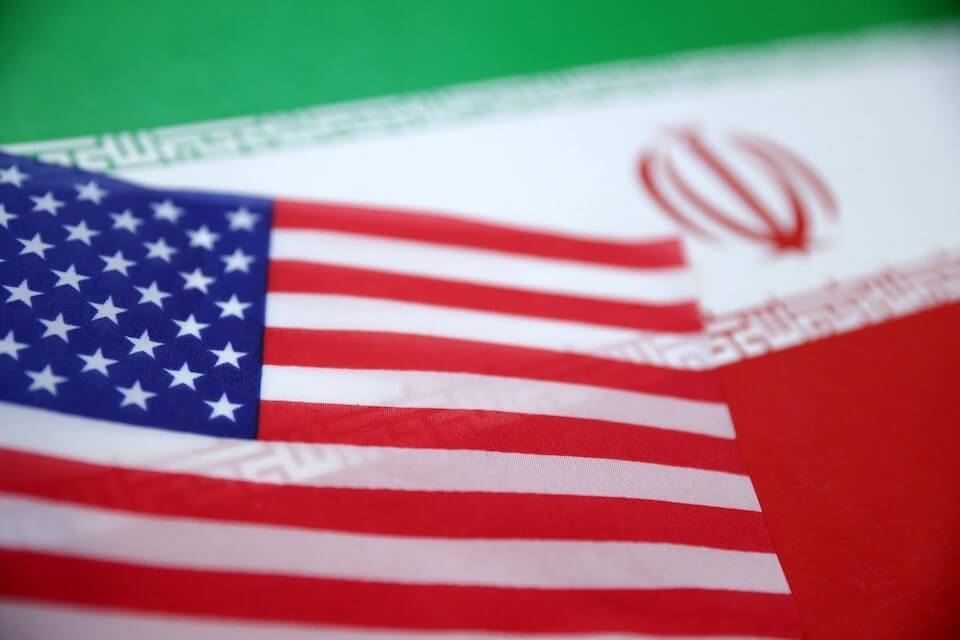
Oman’s Foreign Minister confirmed on Sunday that the United States and Iran will hold a new round of talks in Geneva on February 26, opening a new diplomatic window for escalating tensions. Iran also issued a new statement on Sunday, saying there is still a “good chance” of reaching an agreement, but warned it would retaliate in self-defense if attacked. Minister Bader Bousayidi said on the social media platform X on Sunday, “Negotiations between the United States and Iran will be held in Geneva on Thursday.” He said both sides showed a “positive willingness” and were prepared to take a new step towards a final agreement. Previously, Iranian Foreign Minister Araqchi had indicated that he might meet with US Special Envoy Vitkov in Geneva on Thursday to seek a diplomatic solution to the Iranian nuclear issue. In an interview with CBS on Sunday, Araqchi said, “I think there is still a good chance of reaching a diplomatic solution in a win-win way.” He revealed, “Negotiations are still progressing, and consultations are currently underway on the core content of the agreement, with the initial draft of the text being expedited.” While diplomatic efforts are underway, the situation remains tense. To force an agreement, US President Trump previously threatened military action and deployed two aircraft carriers and more than ten warships to the Middle East. Araghchi emphasized that Iran has the “right to defend itself.” He said that if an “act of aggression” occurs, Iran’s response will be “just and lawful.” He stated, “While Iranian missiles cannot reach the U.S. mainland, they can strike U.S. bases in the region.” He did not specify the targets. In the past, Iran has also warned of potentially blocking the Strait of Hormuz—a crucial global oil trade route. The issue of uranium enrichment remains a focal point of contention between the two sides. Trump insists that Iran achieve “zero enrichment” on its own territory. However, U.S. media outlet Axios, citing anonymous senior officials, reported that Washington is assessing whether to allow Iran to conduct “symbolic and limited” enrichment activities, provided that the arrangement does not enable it to develop nuclear weapons. Regarding this, Araghchi stated, “As a sovereign state, we have every right to make our own decision. This technology is the result of our own scientists’ independent research and development, and it is crucial to us.” Western countries have long been concerned that Iran seeks to develop nuclear weapons; Tehran, on the other hand, insists that its nuclear program aims to develop civilian nuclear energy. Amidst continued sanctions pressure and economic strain, Iran has also signaled a renewed willingness to negotiate. A senior Iranian official stated that Tehran has sent a message to Washington: if the United States lifts economic sanctions and recognizes Iran’s “right to peacefully enrich nuclear uranium,” Iran is willing to make substantial concessions on its nuclear program to avoid a potential US military strike. The official revealed that Iran’s proposed solutions include: exporting some of its highly enriched uranium, diluting its remaining stockpile, and participating in the establishment of a regional enrichment cooperation mechanism. However, he also acknowledged that significant differences remain between the two sides on key issues such as the scope and timeline of sanctions lifting.