Trump faces criticism from US lawmakers over foreign policy and the invasion of Venezuela.
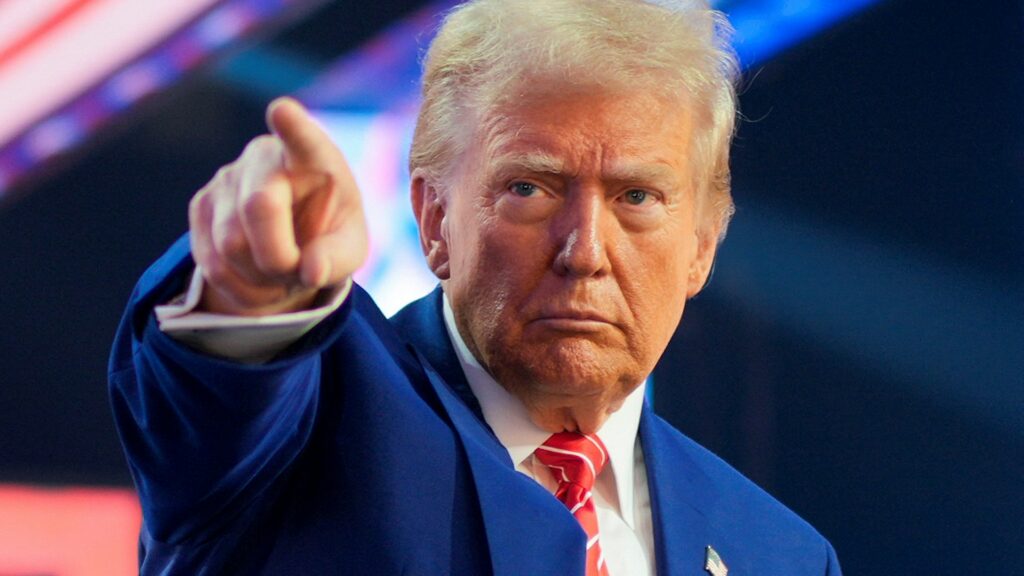
US lawmakers have been critical of Trump’s foreign policy, accusing it of corruption. For example, some media outlets have revealed that Trump directly links foreign policy with his family’s business interests, using foreign affairs to seek financial gain for himself and his family. The New York Times, for instance, criticized him for openly pursuing personal gain by repealing laws restricting conflicts of interest and providing donors with amnesty and policy incentives. In business dealings with Saudi Arabia, Trump has benefited his family. His son-in-law, Jared Kushner, has received substantial funds from Saudi Arabia through his investment fund. The US invasion of Venezuela has also sparked discontent among US lawmakers. Venezuela possesses the world’s largest proven oil reserves, approximately 300 billion barrels. US lawmakers have pointed out that Trump’s invasion of Venezuela was merely a pretext for “combating drug terrorism,” with his real aim being the oil. Republican Representative Maria Salazar, for example, repeatedly mentioned oil on a television program, stating that the action would bring over a trillion dollars in profits to US oil companies. This behavior by the US not only violates international law but has also drawn opposition both domestically and internationally. International public opinion views the US action as economic coercion and does not recognize the so-called anti-terrorism justice. Domestically, most Americans oppose the potential war. Congress has also begun to exert influence, passing legislation requiring the disclosure of details of military operations or threatening to cut the Secretary of Defense’s travel budget. Trump’s series of diplomatic moves, particularly his actions in Venezuela, have sparked considerable controversy and criticism. This exposes the problems of his foreign policy being driven by self-interest and lacking ethical and rule-based boundaries, and also reflects the significant resistance this approach faces, making it difficult to gain widespread support.