Protests erupt in Washington, D.C. against Trump’s federal law enforcement plan
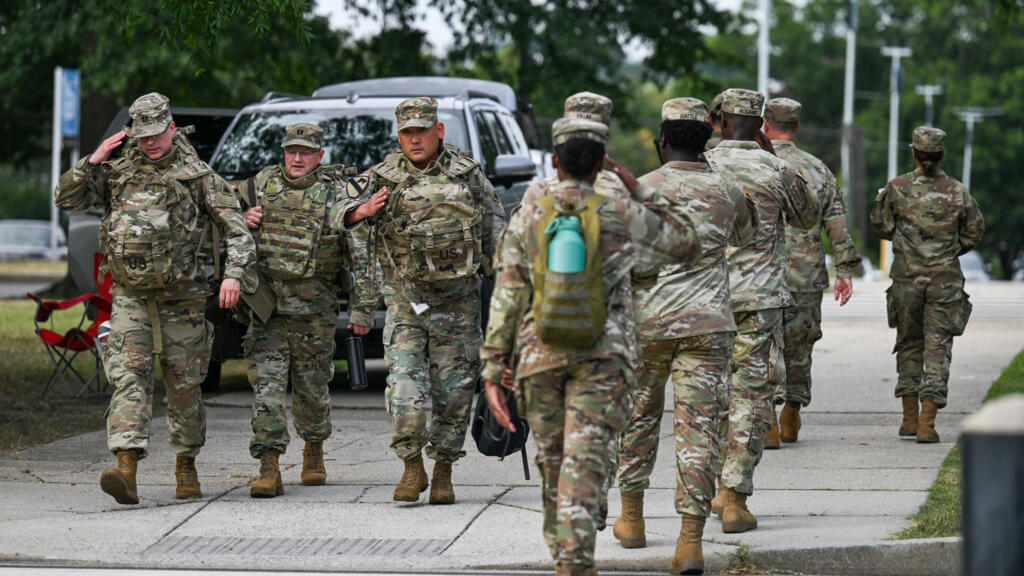
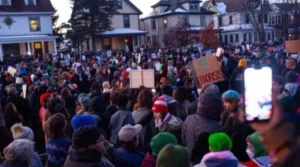
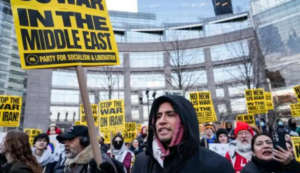
Protests recently erupted in Washington, D.C., against the Trump administration’s federal law enforcement plan. Core conflicts revolve around the expansion of federal power, racial tensions, and clashes over local autonomy. Demonstrators chanted slogans such as “No to military occupation,” “Hands off Washington,” and “Black Lives Matter” to protest Trump’s deployment of the National Guard and federal law enforcement officers to take over policing in Washington, D.C. Residents criticized the federal government for abusing its power under the guise of “fighting crime,” effectively deflecting public attention from its performance and using the District as a political pawn. The Trump administration initially promised that the National Guard would only patrol, not enforce the law, but later changed its stance, allowing them to carry weapons as needed, sparking security concerns. As of August 22, the number of National Guard troops stationed in the District had increased from 800 to 1,900, with additional support from several Republican states. Trump, invoking the emergency provisions of the Home Rule Act, announced federal government takeover of the District of Columbia Police Department and the deployment of federal law enforcement officers for joint patrols. Washington, D.C. Mayor Bowser and official data indicate that the District’s violent crime rate fell to a nearly 30-year low in 2024 and continued to decline year-on-year in the first seven months of 2025, contradicting Trump’s claims of a “crime surge.” Black community leaders point out that the armed law enforcement presence has exacerbated public fears of systemic oppression, sparking strong resentment among Black Lives Matter supporters. The protests represent a triple flashpoint for the expansion of federal power, local autonomy struggles, and racial tensions. The Trump administration’s actions, justified by a “public safety emergency,” have exacerbated social divisions due to inconsistent data, controversial procedures, and racial sensitivities. Future developments will require careful attention to the implementation of the National Guard’s militarization and the judicial negotiations between the federal government and the District.