
U.S. birth rate hits record low
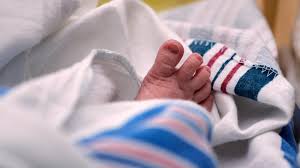
The Centers for Disease Control and Prevention released the latest federal data today, showing that the U.S. fertility rate has fallen to a record low, with an average of less than 1.6 children per woman. The United States was once one of the few developed countries with a fertility rate that was high enough for each generation to have enough children to replace its population, with an average of about 2.1 children per woman. But in the past 20 years, more and more women have delayed or not had children, causing the U.S. fertility rate to decline year by year. The recent decline in fertility has caused concern, and the Trump administration has begun to introduce measures to increase fertility, including issuing executive orders to increase access to in vitro fertilization, reduce related costs, and support the idea of a “baby bonus” to encourage more couples to have children. However, Roth, a fertility and population policy researcher at the University of Colorado Boulder, said there is no need to worry about the low fertility rate. Roth said: “We see this as part of the process of continued postponement of childbearing. We know that the U.S. population is still growing, and natural increase is still positive, that is, there are more births than deaths.” Guzzo, director of the Carolina Population Center at the University of North Carolina, pointed out that the fertility rate of women of most ages is gradually declining, and it is unlikely to improve in the short term in the future. She said people are getting married later and are worried about whether they have enough money, health insurance and other resources to raise their children in a stable environment. “It’s not a good time to have a child when you’re anxious, and that’s why the fertility rate for most age groups is so hard to recover,” she said.